
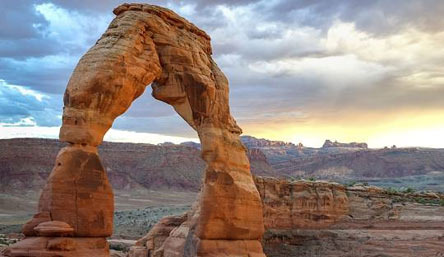
Utah is a state located in the western United States, characterized by a variety of climate conditions.
Utah generally has a dry climate, but the climate varies regionally due to the state's topographical diversity.
This area has a complex terrain that includes mountains, plains, and deserts, and these geographical features significantly influence Utah's weather.
Climate Characteristics of Utah
Utah is generally characterized by a semi-arid climate and a continental climate. Among these, it is greatly influenced by desert climate and mountain climate. The major city, Salt Lake City, features a continental climate, with hot summers and cold winters. Utah's weather has the following characteristics.
Characteristics of the Four Seasons
Spring (March to May)
- Temperature: Spring temperatures are relatively mild, but cold weather persists in March. Average temperatures range from 3°C to 15°C, and from April, temperatures rise further to between 10°C and 20°C. May brings full spring weather with temperatures rising between 15°C and 25°C, and the weather is generally clear and dry.
- Precipitation: Spring is relatively dry, but occasional rain can occur. However, it is mostly intermittent rain or snow in mountainous areas. Average precipitation is low.
Summer (June to August)
- Temperature: Summers in Utah are very hot. From June to August, temperatures average between 30°C and 38°C, with some areas recording over 40°C. Especially in the desert regions, temperatures can rise sharply, leading to extremely hot weather.
- Precipitation: Summer has very little precipitation, and in the desert regions of Utah, completely dry weather prevails. However, at the end of summer, showers or thunderstorms may occur. During this time, there is a risk of storms and strong winds.
Autumn (September to November)
- Temperature: Autumn temperatures gradually decrease from September to November. Average temperatures range from 10°C to 20°C, with still warm weather in September, but temperatures drop sharply by November. Autumn is often mild and clear, making it a good season for activities.
- Precipitation: Autumn is a dry season, but especially in September and October, rain originating from hurricanes can occur, temporarily increasing precipitation.
Winter (December to February)
- Temperature: Winter is the coldest time in Utah. From December to February, temperatures drop to an average of -6°C to 4°C. Especially in the mountainous areas, temperatures can fall below -10°C, and blizzards and cold waves frequently occur.
- Precipitation: Winter has high snowfall, and in mountainous areas, a lot of snow falls. Utah has many ski resorts, making winter sports very active. However, in the plains, light rain or freezing rain mainly falls instead of snow, and precipitation is relatively low even in winter.
Air Mass Information
Although Utah's climate is dry, it is still influenced by various air masses. Air masses significantly affect the region's weather, and Utah is influenced by several types of air masses, including continental air mass, maritime air mass, and polar air mass.
Continental Air Mass
- The continental air mass is dry and cold, and when it affects Utah, it lowers temperatures and reduces precipitation. Especially in winter, the cold continental air descending from the north covers Utah, sharply lowering temperatures and causing cold waves. In summer, the continental air mass brings hot winds to Utah, resulting in hot and dry weather.
Maritime Air Mass
- The maritime air mass forms over the Atlantic or Pacific Ocean and brings humid climates. This air mass is relatively rare in Utah, but especially in winter, maritime air from the Pacific can cover Utah, bringing warm temperatures and high humidity. When this air mass influences Utah, it can cause storms and precipitation.
Polar Air Mass
- The polar air descending from the Arctic brings strong cold waves to Utah. In winter, the polar air mass covers Utah, sharply lowering temperatures and causing heavy snowfall and blizzards. This air mass can lead to extreme weather changes along with severe cold.
Storm Information
Utah is not an area where storms frequently occur, but strong storms can arise due to specific climatic phenomena. Especially in summer, atmospheric instability can lead to storms accompanied by showers and lightning, while in winter, snowstorms can occur.
Summer Storms
- Utah's summer can see storms accompanied by strong atmospheric instability, showers, and powerful thunder. Especially in the desert regions, heat waves can cause rapid temperature increases, leading to linear storms and thunderstorms. These storms can bring very strong winds and precipitation, along with lightning or hail.
Blizzards
- Utah frequently experiences blizzards in winter. Blizzards are phenomena where snow blows in with strong winds, significantly reducing visibility and worsening road conditions, making it very dangerous to go outside. These storms are more severe in mountainous areas. In regions with many ski resorts, blizzards often occur, primarily between December and February.
Winter Storms
- Winter storms are storms accompanied by blizzards and heavy snowfall, which can occur throughout Utah. Winter storms bring strong winds and heavy snow, potentially causing traffic congestion and road accidents. These storms primarily occur in mountainous areas, and after the storm passes, temperatures can drop sharply, and roads can freeze, posing significant risks.
Utah is a region with diverse climate conditions, showing distinct weather changes in each season. Summers bring hot, dry weather and storms, while winters feature cold and heavy snowfall, indicating significant climate variations.
The air masses influencing Utah's climate and weather include various types such as continental, maritime, and polar, which are important factors in predicting Utah's weather. Storms can occur in both summer and winter, and especially summer and winter storms can pose significant risks. Living in Utah requires preparation for these climate changes.
How is the weather in Utah year round?
Utah's weather varies by season and region, but generally has four distinct seasons:
Winter: Cold and snowy, with temperatures rarely falling below 0°F (-18°C). The Rocky Mountains to the east and north block polar highs, making winters warmer than expected. Some mountains in Utah receive over 500 inches of snow in the winter.
Summer: Hot and dry, with temperatures frequently reaching above 100°F (38°C).
Spring: The wettest season, influenced by storms from the Pacific Ocean.
Transition periods: Comfortable and relatively wet.





 Enjoyable American Life Diary |

 morvex37 |
 Utah, the Most Livable State |

 US Embassy |
  Korean Mom |
  My NYC |
  moo moo |
  Mr Oh |
  forevergee |
  festival |
  manchester |
  constant |
  Leapfrog Move |
  vibranto |
  Tora Tora |
  yellowbutter |
  Dolly |
  NYC saladbar |
  Finding Superfoods |
  lightyear |
  song bang |
  vexomo |
  Indiana Jones |