
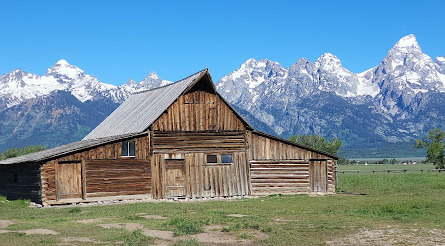
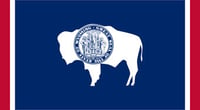
Today, I will introduce the history and general information of Wyoming, a state known for its vast plains and rich nature in the western United States. Wyoming has a small population but is loved by many for its unique history, culture, and stunning natural scenery.
The land of Wyoming has been inhabited by various indigenous peoples who lived a nomadic lifestyle for many years. Tribes such as the Lakota and Apache have maintained their culture and traditions in this region. In the 19th century, as the westward expansion era began, explorers and pioneers started to set foot on this vast land.In the late 19th century, with the migration westward, gold and silver mines were discovered, attracting many people seeking wealth to Wyoming. During this process, infrastructure such as railroads was developed, and cities and towns began to form. This period is filled with historical moments showcasing the determination and spirit of those who overcame the harsh natural environment to cultivate the land.
Wyoming was elevated to the 44th state of the United States in 1890. Since then, ranching, mining, and the energy industry (especially coal, oil, and natural gas) have become the backbone of the state's economy. Today, tourism and outdoor recreational activities have also established themselves as important industries, with its vast nature and national parks being loved by travelers from around the world.
Main Information about Wyoming
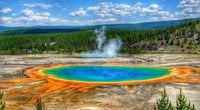
Wyoming is a large state with a low population density, featuring diverse natural landscapes such as dense mountain ranges, deep canyons, and wide plains. Notably, it is home to world-famous natural reserves like Yellowstone National Park and Grand Teton National Park, making it an ideal place for outdoor activities such as wildlife observation, hiking, and camping.
Traditionally, ranching and the energy industry have played a significant role in Wyoming's economy. With abundant resources like coal, oil, and natural gas, it contributes to the energy supply of the United States, and recently, the tourism industry has also surged, with nature-seeking tourists visiting steadily.
Wyoming is a place where the rugged spirit of the pioneering era coexists with modern freedom. Cowboy culture and traditional events like rodeos are still vibrant, showcasing the strength and independence of the people who live across the vast land. The lifestyle that blends urban and rural elements allows one to experience both the old charm of the American West and modern sensibilities.
Wyoming itself symbolizes the pioneering spirit of the American West, a special state where beautiful nature and strong culture harmonize. Historically rich in stories of exploration and settlement, Wyoming continues to maintain its unique charm through various industries such as ranching, mining, energy, and tourism.
If you visit Wyoming, I highly recommend experiencing the spaciousness of the land, the grandeur of nature, and the warm atmosphere of the people that you can feel there.




 Real Estate |
 MAX009 BLOG |
 nixxon |

 logger |
  Tonky |
  viroma |
  cookie |
  Live and that's it |
  Alright Twain |
  eatontown blog |
  HAWAII Korean Church News |
  Amore |
  linex |
  Balancework |
  laro90 |
  MEDBIO American Doctor Blog |
  SWAT TEAM BLK |
  DREAM BIG |
  frostbite |
  330 Forever My Love |
  El Dorado |
  dralix58 |
  Gorama Round |
  Skydiving |