
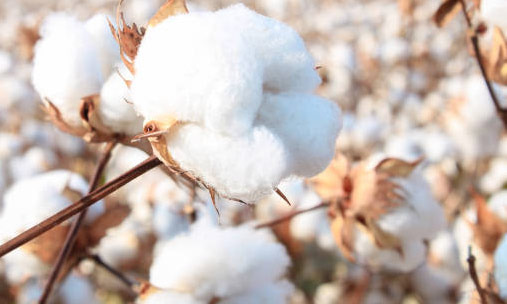
Let's take a look at the role cotton has played in the history of San Antonio and Texas, along with related information.
San Antonio is one of the oldest and most important cities in Texas, having established itself as a military and commercial hub since the Spanish colonial period. Through the colonial history that began in the late 18th century, the independence war, and later the process of being incorporated into the United States, Texas underwent various cultural and economic changes.
Thanks to its vast land and diverse climate, Texas emerged as one of the major cotton-producing regions in the United States from the late 19th century to the mid-20th century. Cotton played a central role in the economy of the southern United States at that time, significantly impacting labor, trade, and industry as a whole. In particular, in many areas of Texas, cotton cultivation became a crucial driving force for economic development.
While San Antonio itself historically developed as a military stronghold and trade center, cotton cultivation also played an important role in the rural areas surrounding the city. The counties near San Antonio and the central and western regions of Texas had climate and soil conditions suitable for cotton cultivation, establishing a foundation for large-scale agricultural production.
Cotton contributed directly to the local economy as a raw material and trade item necessary for the development of cities like San Antonio. The trade and industrial development of the city was deeply connected to the production and export of agricultural products, including cotton.
The industries and labor conditions related to cotton cultivation at that time left various cultural traces in the community. Many families engaged in agriculture, strengthening the economic foundation of the community, and this historical background continues to influence the diverse cultural landscape of San Antonio today.
Today, San Antonio has transformed into a city where various industries such as tourism, military, health, and technology are mixed, rather than traditional cotton cultivation. However, cotton remains an important agricultural product throughout Texas, and the significance of cotton in history and culture is remembered as part of the identity of Texans.
In the flow of history between San Antonio and Texas, cotton was an important element that had a profound impact on the economy, culture, and society beyond being just an agricultural product. The diverse urban landscape and economic structure of today can be said to be the result of various historical factors, including the past cotton industry.
Texas: The Leading Cotton Producer in the U.S.Texas is a major state that accounts for a significant portion of cotton production in the United States, with large-scale cotton farms primarily located in the western part of the state and the Rio Grande Valley, where the climate is dry and warm. Of course, since San Antonio is a city center, it is difficult to find cotton fields right in the urban area, but cotton cultivation is taking place in the rural areas on the outskirts of the city or in adjacent counties.
For example, rather than Bexar County, where San Antonio is located, small to medium-sized cotton farms can be found in the surrounding agricultural areas or in regions like the Edwards Plateau. This area provides a warm climate and abundant sunlight, making it suitable for cotton cultivation.
Additionally, agricultural materials or maps provided by the USDA Texas Department of Agriculture and local agricultural extension services can help you check the current status of cotton production in specific counties or regions more specifically.








 Helpful Life Stories |
 American Man in a Mask |
 Hajiwon Blog Hair Salon |
 Make My Day |
 TEXAS Fishing Boat |
  Tonky |
  viroma |
  cookie |
  Live and that's it |
  Alright Twain |
  eatontown blog |
  HAWAII Korean Church News |
  Amore |
  linex |
  Balancework |
  laro90 |
  MEDBIO American Doctor Blog |
  SWAT TEAM BLK |
  DREAM BIG |
  frostbite |
  330 Forever My Love |
  El Dorado |
  dralix58 |
  Gorama Round |
  Skydiving |