
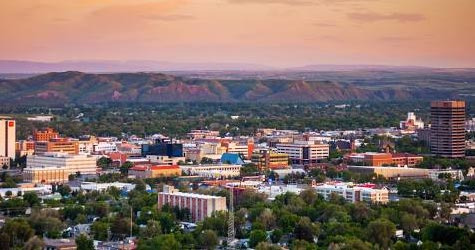
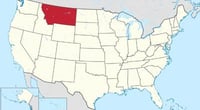
Billings is the largest city in Montana, serving as a key city in the Midwest with significant economic, cultural, and historical importance. It offers a unique charm with the beautiful nature of the American West combined with modern urban living.
1. City Overview
- Population: Approximately 110,000 (as of 2023)
- Location: Central-southern Montana, near the Yellowstone River
- Nickname: "Magic City" (derived from its rapid growth in history)
Billings is a major logistics and economic hub in the West, influencing not only Montana but also parts of Wyoming, Dakota, and Canada.
2. History of Billings
Early Settlement:
The Billings area was originally the territory of the Crow tribe. This tribe lived off the fertile land and abundant resources around the Yellowstone River.Introduction of the Railroad and Birth of the City:
In 1882, the Northern Pacific Railroad passed through Billings, leading to rapid development of the city. The railroad became the driving force for the city's growth as a logistics and transportation center, earning it the nickname "Magic City."Modernization:
Billings further developed economically in the mid-20th century with the growth of the oil, natural gas, and coal industries. Today, it has a balanced economic structure of industry, agriculture, and tourism.
3. Top 5 Tourist Attractions
The Rimrocks
A natural landmark in Billings, consisting of sandstone cliffs surrounding the city. It is great for hiking and sunset viewing, offering stunning views of the city and the Yellowstone River.Pictograph Cave State Park
A state park where you can see petroglyphs carved by Native Americans. It offers a glimpse into life from about 2,000 years ago, allowing for a simultaneous experience of history and nature.Yellowstone County Fairgrounds
A venue where local festivals and fairs are frequently held, providing an opportunity to experience Montana's agriculture and traditions.Yellowstone Art Museum
A major art museum focusing on the art of Montana and the West. It features a variety of exhibitions from contemporary art to traditional Native American art.Moss Mansion Historic House Museum
This mansion, built in 1903, showcases the life of a wealthy family in Billings. Its European architectural style and historical furnishings are impressive.
4. Economy and Industry
- Agriculture: Billings is a center for agriculture, with grain, livestock, and dairy production being major economic activities.
- Energy: The coal, oil, and natural gas industries are significant pillars of the local economy.
- Tourism: Billings serves as a major tourism hub in Montana, with excellent access to Yellowstone National Park and nearby natural attractions.
5. Culture and Lifestyle
- Local Festivals: The annual MontanaFair is a representative festival where you can enjoy local food, rides, and live performances.
- Food: Dishes made from local produce and traditional western steakhouses are very popular.
- Recreational Activities: It is a perfect place for outdoor activities such as hiking, camping, and fishing.
6. Climate
- Summer: Warm and dry, with average temperatures ranging from 65°F (18°C) to 90°F (32°C).
- Winter: Cold and snowy, with average temperatures ranging from 15°F (-9°C) to 35°F (2°C).
- Annual Precipitation: About 14 inches (355 mm), influenced by a desert climate.
7. Transportation
- Billings Logan International Airport: The main airport in Montana, connecting to major cities across the country.
- Roads: Interstates I-90 and I-94 intersect, making vehicle travel convenient.
Billings is a city where the traditions of the West and modern lifestyles harmonize, offering beautiful nature, unique culture, and a growing economy. From historical heritage to outdoor recreational activities, Billings provides a special experience for all visitors.


 Childbirth Drabble Blog |
 tarvion |

 velaro |
 soonee |
  manchester |
  constant |
  Leapfrog Move |
  vibranto |
  Tora Tora |
  yellowbutter |
  Dolly |
  US Embassy |
  NYC saladbar |
  Finding Superfoods |
  lightyear |
  song bang |
  vexomo |
  Indiana Jones |
  meloncat |
  novapixel |
  mortrix |
  Esther 1983 |
  fortbliss |
  Moscow Kim |