
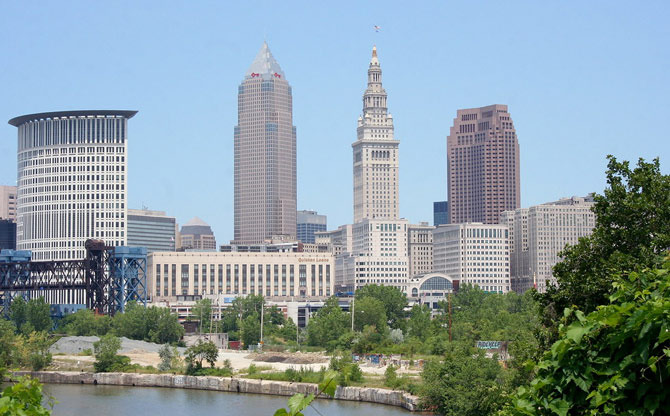
Living in Cleveland (Cleveland), you become close to a life where winter brings wind and snow, and summer offers lakeside romance. Being a city south of Lake Erie in northern Ohio, the four seasons are distinct, and winter is particularly pronounced.
When winter begins, snow falls frequently, and the wind blows fiercely, making it feel like living inside a freezer from December to March. Thanks to the 'lake-effect snow' phenomenon created by the cold air and humidity from Lake Erie, heavy snowfall is common, and snow can pile up to waist height in a single day.
However, it has become a natural part of life here for people to wear snow boots in winter, build snowmen with their children, and enjoy walks in parks near the lakeside, surrounded by snow-covered scenery.
Cleveland, aptly nicknamed the 'Lakeside City,' boasts breathtaking views provided by Lake Erie. In summer, many people enjoy boating or fishing on the lake, and in autumn, the lake's sunset glows red, enveloping the entire city with the colors of fall foliage.
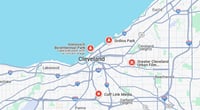
Notable relaxation spots like 'Edgewater Park' and 'Lakewood Park' are popular destinations for residents on weekends, where one can feel the tranquility of water and wind even in the heart of the city.
The cost of living is quite reasonable compared to other major cities in the U.S. The median housing prices are lower than the national average, and rent is affordable, reducing the financial burden of living. Because of this, in recent years, many young professionals, artists, and startup workers have moved here. Neighborhoods like 'Ohio City,' 'Tremont,' and 'Detroit-Shoreway' have regained vitality with trendy cafes, breweries, and art spaces.
However, Cleveland experienced a sharp decline in manufacturing in the 1980s, leading to a decrease in population and an increase in vacant homes. During this process, crime rates rose in some areas, and even now, certain outskirts of the city can be somewhat dangerous to walk alone at night. Nevertheless, the city authorities are consistently working on redevelopment and enhancing public safety, so overall, the situation is gradually stabilizing.
In terms of racial composition, about 47% of the population is Black, 39% is White, and around 2% is Asian, which is relatively low. However, the Korean population has been steadily increasing. As of 2024, it is estimated that around 2,000 to 2,500 Koreans reside in Cleveland and its metropolitan area, including Cuyahoga County.
Since the 1970s, many first-generation immigrants have moved here for jobs in healthcare, education, and research, and recently, there has been an increase in young Korean professionals working at prestigious institutions like the Cleveland Clinic and Case Western Reserve University. The Cleveland Clinic is renowned not only in the U.S. but also worldwide, making it a coveted workplace for those in the medical field.
There are quite a few Korean doctors, nurses, and researchers in the area. The Korean Association of Cleveland organizes events such as Independence Day celebrations and Lunar New Year festivals, and there are several Korean churches and language schools operating. Notably, the Cleveland Korean United Methodist Church and the Korean Presbyterian Church play a central role in building the community.
Overall, Cleveland is a quiet city with low living costs. However, the long winters and heavy snowfall can be challenging for those who are not good at driving, and some people may feel a bit of depression during the seasons with less sunlight. Therefore, many residents balance this by engaging in indoor activities, orchestras, and art gallery visits during winter.
The Cleveland Orchestra is considered one of the top five symphony orchestras in the U.S., and 'Playhouse Square' is the second-largest performing arts district after New York. In this light, Cleveland is a city that, despite its harsh winters, possesses warmth and cultural depth.


 Mr Cleveland |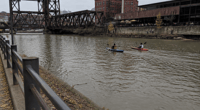
 radiant |
 Gleeee |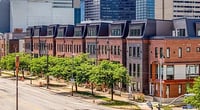
 Real Estate Investment Korean American |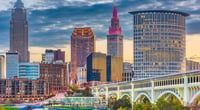
 Atlanta Mama |
  Baguette Blog |
  US Embassy |
  Korean Mom |
  My NYC |
  moo moo |
  Mr Oh |
  forevergee |
  festival |
  manchester |
  constant |
  Leapfrog Move |
  vibranto |
  Tora Tora |
  yellowbutter |
  Dolly |
  NYC saladbar |
  Finding Superfoods |
  lightyear |
  song bang |