

Wyoming has a small population, but it boasts a diversified economic structure based on abundant natural resources and unique geographical characteristics. The main pillars of the state's economy can be divided into traditional energy industries, agriculture, and tourism.
Wyoming is one of the largest coal-producing states in the U.S., and oil and natural gas development also play a significant role in the state's economy. The development of these natural resources provides substantial revenue for both the Wyoming state government and the private sector, and thanks to federal support and tax incentives, it creates a favorable environment for attracting businesses. Recently, there has been increasing interest in renewable energy, particularly in wind and solar power, to respond to environmental regulations and fluctuations in international energy prices.
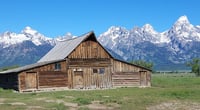
Wyoming is home to world-renowned natural attractions such as Yellowstone National Park and Grand Teton National Park, drawing numerous tourists each year. These national parks offer opportunities to enjoy Wyoming's beautiful landscapes and outdoor recreational activities, and tourism significantly contributes to the development of local businesses and services. The relaxed atmosphere of small towns and unique regional culture provide visitors with unforgettable experiences.
Wyoming's vast plains and dry climate provide a foundation for the development of livestock and agriculture centered around cattle and sheep. This sector has traditionally been a stable source of income for the state's economy, positively impacting the economy through local consumption and exports. The low population density and relatively low land prices create favorable conditions for agricultural and livestock operations.
Due to its economy's heavy reliance on energy resources, Wyoming may face challenges from fluctuations in the international energy market or stricter environmental regulations. However, the abundant natural tourism resources, growth potential in the renewable energy sector, and government policies to attract businesses provide opportunities for the Wyoming economy to achieve sustainable development in the future.
In conclusion, while Wyoming's economy is centered around traditional energy and agriculture, it is striving to adapt to the changing global economic environment by expanding into new industries such as tourism and renewable energy. Thanks to this diverse and flexible economic structure, Wyoming can be considered a state with consistent development potential in the future.







 Real Estate |
 MAX009 BLOG |
 nixxon |

 logger |
  Atlanta Mama |
  Baguette Blog |
  US Embassy |
  Korean Mom |
  My NYC |
  moo moo |
  Mr Oh |
  forevergee |
  festival |
  manchester |
  constant |
  Leapfrog Move |
  vibranto |
  Tora Tora |
  yellowbutter |
  Dolly |
  NYC saladbar |
  Finding Superfoods |
  lightyear |
  song bang |