
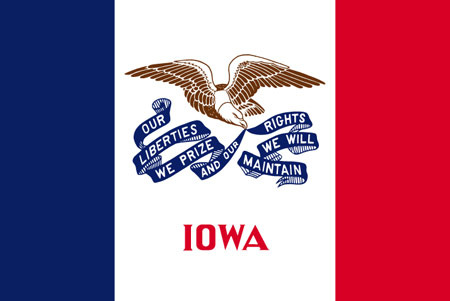
Iowa is a state located in the heart of the Midwest, known for its endless cornfields and impressive plains. True to its nickname, the 'Breadbasket of America,' it has a stable economy centered around agriculture and is one of the states that has developed alongside the growth of the United States. It may not be glamorous, but it symbolizes a steady and substantial way of life.
The total population of Iowa is about 3.2 million (as of 2025), which is relatively small compared to the entire U.S. population, but it maintains a stable growth trend. Most areas are rural, with major cities including Des Moines, Cedar Rapids, and Davenport. Among these, Des Moines is the capital and the largest city, serving as a center for politics, economy, and culture. The metropolitan areas blend modern life with the unique warmth of the Midwest in a clean and quiet atmosphere.
Racial Composition
Iowa exhibits a relatively homogeneous racial structure, but diversity has been gradually increasing in recent years. About 84% of the total population is white, followed by approximately 7% Hispanic and Latino, about 4% African American, and around 3% Asian. Other races make up about 2%. Cultural diversity is expanding due to the influence of migrant workers, international students, and young people moving to cities.
Income and Living Standards
The median household income in Iowa is about $65,000, which is similar to the national average. While urban areas like Des Moines and Cedar Rapids record relatively high incomes, rural areas tend to be slightly lower. However, overall, the cost of living and housing is affordable, leading to a high level of life satisfaction. The stability of family life and low crime rates are reasons why Iowa is often cited as a 'great place to live.'
The history of Iowa begins with the land of Native Americans. For thousands of years, the Iowa, Sauk, and Fox tribes have inhabited this area, sustaining themselves through farming and hunting around the Mississippi River. In 1673, French explorers Jacques Marquette and Louis Jolliet were the first to explore the region, which subsequently passed through French and Spanish control before becoming part of the United States through the Louisiana Purchase in 1803. On December 28, 1846, Iowa was admitted as the 29th state of the United States, and agriculture rapidly developed due to its fertile soil.
In the 20th century, agricultural mechanization and technological innovations significantly increased productivity, and even after the Great Depression, Iowa steadily recovered to become a cornerstone of American agriculture. Today, Iowa ranks among the top states in agricultural production in the U.S.
The main products of Iowa are corn, soybeans, and pork, which are the key industries driving the state's economy. However, in recent years, manufacturing, renewable energy (especially wind power), and biotechnology sectors have been rapidly growing, diversifying the economy. Iowa is one of the states with a high proportion of wind power generation in the U.S. and is often cited as a model for the transition to green energy.
The unemployment rate is about 2.9%, which is lower than the national average, and despite being an agriculture-based region, it has high employment stability. Thanks to the diligent work culture typical of the Midwest and low living costs, companies view Iowa as a stable investment destination.
Iowa may appear quiet and monotonous on the surface, but it embodies the fundamental strength of America. With vast land, hardworking people, steady economic growth, and deep historical roots, Iowa is a reliable state that, while not flashy, is trustworthy. This place, which has quietly maintained its position in the center of America, remains a symbol of stability and practicality.








 Iowa Egen Aunt |
 Hoorah Ooorah |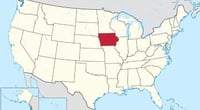
 Iowa School News |
 Tonky |
  viroma |
  cookie |
  Live and that's it |
  Alright Twain |
  eatontown blog |
  HAWAII Korean Church News |
  Amore |
  linex |
  Balancework |
  laro90 |
  MEDBIO American Doctor Blog |
  SWAT TEAM BLK |
  DREAM BIG |
  frostbite |
  330 Forever My Love |
  El Dorado |
  dralix58 |
  Gorama Round |
  Skydiving |