

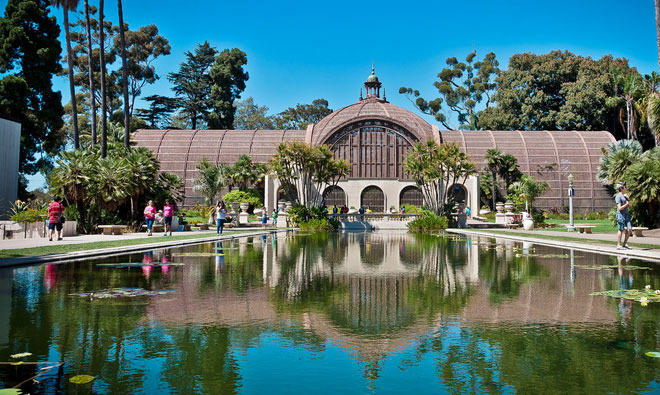
Balboa Park in San Diego was created not just to "build a large park in the city center," but as part of a long-term vision to prepare for the city's future and establish local identity.
In the late 19th century, San Diego was still a small coastal city, but city leaders believed in the great growth potential of the West Coast and thought, "We need a large public space that will symbolize San Diego in the future." As a result, in 1868, a vast area of 1,400 acres was designated as parkland, marking the beginning of Balboa Park. This decision was quite groundbreaking in the United States, and considering the size of the city at the time, it was seen as a great foresight to leave almost a wasteland as a cultural and educational space.
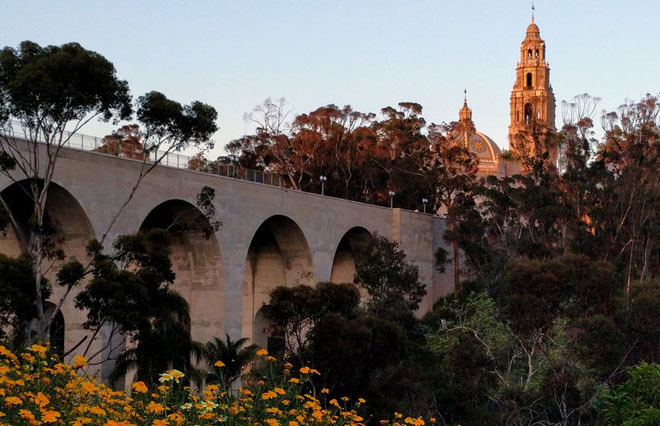
The major catalyst for the park's development was the Panama-California Exposition held in 1915-1916. It was intended to celebrate the opening of the Panama Canal and to promote San Diego's status as a western coastal city to the world. City leaders determined that "to make the exposition successful, we need a representative place where visitors can feel the city's elegance," and in the process, the current Spanish Renaissance-style buildings, gardens, and museum streets were created on a large scale.
The first day I visited Balboa Park in San Diego was a morning when the sunlight was particularly soft.
The air of the coastal city felt so refreshing that I wondered if it was always this light, and as I got closer to the park entrance, the surrounding scenery suddenly felt more relaxed. Balboa Park felt too vast to simply be called "a park in the city center," and it seemed like a huge cultural city with dozens of museums and gardens intertwined.
As soon as I took my first steps, old Spanish-style buildings lined both sides of the path, and the shadows cast by those buildings created a unique atmosphere that blended with the bright sunlight. The first place I visited as I walked into the center of the park was the Botanical Building.
The reflection of the building in the lake was so vivid that I was a bit surprised to see a scene I had only seen in photos right in front of me. The buildings and palm trees were perfectly mirrored on the still surface, and even the ducks floating on the water blended completely into the scenery. As I walked along that path, a subtle fragrance of flowers wafted through the air, and the expressions of the people strolling seemed full of ease.
Moving further inside, I came across the Spanish Village Art Center, where I could hear the sounds of artists at work. In a small, charming square, works such as pottery, paintings, and glass crafts were displayed, and it was fascinating to see the artists working right in front of me.
I felt that the biggest charm of Balboa Park was being able to experience such a variety of themed museums all at once within the city. As I walked through the park, the paths kept branching off, revealing new spaces wherever I went, each with a different atmosphere and story, making the walk feel like an exploration.
By lunchtime, I sat on a bench, taking in the atmosphere of the entire park while resting, and the conversations in various languages, the laughter of children, and the music from street performances blended together to create a unique vibrancy. This place felt not just like a space for tourists, but a living place deeply infused with the daily lives and culture of local residents.
Finally, I slowly wrapped up my journey by looking around from a hill where I could see the entire park at a glance. Even though I had only walked, seen, and felt in a short time, Balboa Park had the power to enrich a day fully.
The sunlight of San Diego, the warm atmosphere of the people, and the cultural depth throughout the park left me with memories that made me want to return.





 U.S. Supreme Court Judge Kim |
 Egg Steamed Pot |
 Learn English Accurately |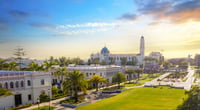
 Magic Cabbage School of Martial Arts |
 Korea News Economic News |
  Korean Mom |
  My NYC |
  moo moo |
  Mr Oh |
  forevergee |
  festival |
  manchester |
  constant |
  Leapfrog Move |
  vibranto |
  Tora Tora |
  yellowbutter |
  Dolly |
  US Embassy |
  NYC saladbar |
  Finding Superfoods |
  lightyear |
  song bang |
  vexomo |
  Indiana Jones |