

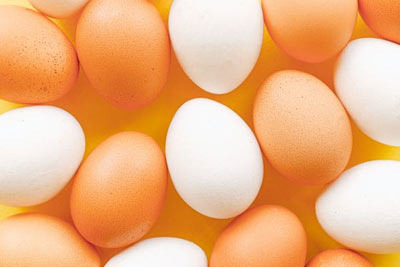
Eggs are an essential ingredient in our daily lives, from scrambled eggs and omelets on the breakfast table to baking. The United States is one of the countries with the highest egg consumption in the world, so let's take a closer look at how much is consumed and where it is primarily produced.
First, let's look at the consumption figures. Americans consume over 9 billion eggs annually. While it may be hard to grasp the number, it averages about 280 eggs per person. This means that people eat eggs roughly every 2 to 3 days, highlighting the importance of eggs in American food culture. It's common to have eggs for breakfast, and they also appear in salads, sandwiches, and soufflés.
Additionally, eggs are used in large quantities in the baking industry and processed foods like mayonnaise and ice cream, leading to significant industrial demand. Recently, with the rise of fitness enthusiasts focusing on protein intake, boiled eggs and egg white products have gained popularity as health foods, and organic and free-range eggs are increasingly favored by consumers. This reflects a growing interest in animal welfare and health.
So, where do all these eggs come from? The U.S. has a well-developed agricultural infrastructure, leading to diverse egg production areas, with several states standing out. Iowa is the largest producer, responsible for over 10% of the nation's egg production. It is home to large-scale farms and an efficient system, making it the center of the U.S. egg market.
Kansas accounts for about 8-9% of production and is steadily increasing productivity by actively adopting advanced technology. Tennessee represents the South, contributing 7-8% of the national production, benefiting from a mild climate that ensures stable supply. Mississippi also plays a significant role, boasting 6-7% of production due to low labor costs and ample farmland.
Indiana is a major producer in the Midwest, responsible for 5-6% of the output, known for systematic management and the introduction of modern equipment. A rising star is Utah, which has seen a significant increase in modern farms over the past few years, now accounting for 4-5% of production. Other states like Georgia, Texas, and North Carolina are also actively producing eggs.
The production methods are noteworthy as well. In the past, the predominant method involved confining hens in small cages, but growing concerns about animal welfare have led to changes. Recently, more farms are transitioning to free-range or organic farming methods, positively impacting not only the welfare of the hens but also the quality of the eggs and consumer satisfaction. Additionally, as consumer trends shift towards health, various products like low-sodium, organic, and omega-3 enriched eggs are being introduced.
Of course, there are challenges in the market. The increasing number of plant-based egg alternatives is competing with traditional eggs, and rising feed and energy costs can lead to price fluctuations, which may burden consumers. However, the U.S. has a solid agricultural foundation and distribution network, making it likely to maintain stable supply even amid these challenges. While some eggs are exported, the majority still meet domestic demand.
In the future, the U.S. egg market is expected to continue evolving in line with changing consumer health awareness, animal welfare, and eco-friendly production trends.
Despite competition from alternatives, eggs will continue to be loved for their unique nutritional value and culinary versatility.
Eggs are more than just a simple ingredient; they are a crucial pillar supporting the lives and food culture of Americans.







 Khan Film Blog Production |
 dermoon |
 hoosierdaddy |
 sun walker |
 Let's Be Like a Salt-like City Person |
 forestcloud |
 Living in New Jersey blog |
 Lemon Kim |
 andrew park |
 forestbon |
  forevergee |
  festival |
  manchester |
  constant |
  Leapfrog Move |
  vibranto |
  Tora Tora |
  yellowbutter |
  Dolly |
  US Embassy |
  NYC saladbar |
  Finding Superfoods |
  lightyear |
  song bang |
  vexomo |
  Indiana Jones |
  meloncat |
  novapixel |
  mortrix |
  Esther 1983 |