

One of the surprises when moving to Torrance in the spring is pollen allergies.
While many come to Southern California expecting nice weather, some experience persistent sneezing every spring. Preparing for local health issues before moving can make the initial adjustment much easier.
Southern California, including the South Bay, has a relatively long and intense pollen season. In particular, tree pollen peaks in spring (February to May), followed by grass pollen in summer and ragweed pollen in fall.
Torrance, being close to the coast, can have sea breezes that dilute pollen levels, but when winds blow inland, pollen can actually concentrate. Those with allergies should prepare antihistamines for their first season after moving, and in severe cases, it's advisable to visit an allergist for skin tests and personalized medication.
The most concerning bug is the black widow spider. It is found throughout California, including Torrance. They typically inhabit dark, damp corners, garages, storage areas, and under outdoor pots.
Due to their potent venom, bites can cause severe reactions, so it's important to regularly clean dark areas around the home and develop a habit of wearing gloves while working.
The brown recluse spider is also not uncommon in California. It's a good practice to frequently remove spider webs inside and outside the home and to shake out shoes or gloves before putting them on.
While mosquitoes are not as severe in Southern California as in the humid eastern regions, they can breed around stagnant water or in pot saucers during the summer. Regularly removing standing water around the home is the most effective prevention.
Cockroaches can be a problem, especially in apartments or older homes, so maintaining kitchen hygiene and being careful with food storage are key to prevention.
Many households in Torrance also utilize private pest control services for regular extermination.
In terms of endemic diseases, valley fever (Coccidioidomycosis) is something to be aware of in Southern California.
This fungus is primarily transmitted through dust in inland desert areas, and while the risk of infection in coastal Torrance is low, caution is needed when traveling to desert or inland areas or being near construction sites.
Overall, Torrance is not an area with particularly serious endemic disease risks due to its coastal city characteristics.








 Top Beaches |
 Diana Blues |
 Dragon Lee |
 Churros Train Conductor |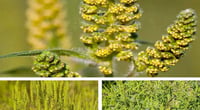
 Tora Tora |
 Good Neighborhood, Wealthy District Information |
 Gongs Blog |

 Experiences Living in America |
  Soft Feeling That Feeling |
  assa man |
  Yugo Girl I'm So Hot |
  nexaro |
  arsnack |
  Nebraska Center Director TOP |
  Florida Gario |
  menmo |
  Arizona AZ Cowboy |
  springw |
  Woooooah |
  frostpup |
  chocopup |
  Angeles Choi |
  My Heart Popper |
  comova |
  vintago |
  Sky Way |